fent
New member
Quick breakdown on some compounds to grow taller
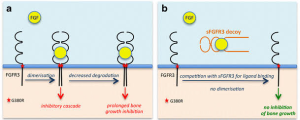
FGFR3 inhibitors are drugs that block the Fibroblast Growth Factor Receptor 3 protein FGFR3 normally acts like a brake on bone growth in the growth plates (the cartilage areas at the ends of long bones that allow you to get taller during childhood and adolescence). By inhibiting FGFR3, these drugs reduce that braking effect, allowing chondrocytes to proliferate and mature more freely. This leads to increased linear bone growth and greater height velocity especially in conditions like achondroplasia where the receptor is overactive due to a genetic mutation.
Types of FGFR3 inhibitors
•Infigratinib
•Erdafitinib
•Tyra-300
Infigratinib
Orally bioavailable, FGFR1-3 selective ATP-competitive TKI. It binds the ATP pocket of FGFR1, FGFR2, and FGFR3 (with much weaker activity on FGFR4 and VEGFR2). This dual inhibition hits both MAPK (hypertrophy) and STAT1 (proliferation) pathways downstream of FGFR3.
TLDR: Once daily oral infigratinib (0.25 mg/kg) gave +1.74 cm/year (LS mean) or +2.10 cm/year extra annualized height velocity (AHV) vs placebo at 52 weeks. Absolute AHV reached 5.96 cm/year (highest reported in any ACH randomized trial). First drug to show statistically significant improvement in upper-to-lower body proportionality. Well tolerated; no FGFR1/2-related AEs or serious treatment-related events.
Erdafitinib
Oral pan-FGFR (FGFR1-4) TKI. First FDA-approved pan-FGFR inhibitor (2019, for FGFR-altered urothelial cancer). Most potent against FGFR1, followed by FGFR3 > FGFR4 > FGFR2. Less selective than the others, so more off-target potential. (Not the best)
TLDR: Pre-pubescent child with FGFR1-mutated glioma on erdafitinib showed rapid long-bone overgrowth, kyphoscoliosis, and spinal deformities within months grew over 16cm
Another 14 year olds height velocity went from 2cm to 10cm.
TYRA-300
Oral, highly isoform-selective FGFR3 TKI (first-in-class FGFR3-selective). Designed with TYRA’s SNÅP platform to potently hit FGFR3 while sparing FGFR1/2/4 to minimize off-target toxicity. Once daily small molecule.
wild-type mice + two FGFR3-driven models (ACH and hypochondroplasia), TYRA-300 significantly increased long-bone length (femur +3.7–5%, tibia +3.75–6%, etc.), nasoanal length, foramen magnum size, and improved skeletal proportionality and bone quality. First clear data showing FGFR3-selective inhibition works even in normal genetics. (Huge)
Biggest Con With Each Inhibitor:
Infigratinib:
• hyperphosphatemia
Erdafitinib:
•Rapid overgrowth (if retarded), Slipped capital femoral epiphysis and growth plate changes + premature fusion, blindness
Tyra-300:
•Unknown, as there is not enough studies+ pricing + sourcing
What is CXXC5?
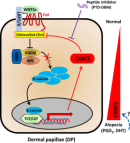
Acts as a negative regulator of human height by accelerating growth plate senescence and limiting longitudinal bone growth. It functions as a feedback inhibitor of the Wnt/β-catenin signaling pathway, which is paramount for maintaining chondrocyte proliferation and delaying senescence in the epiphyseal growth plates.
Induced by Wnt signaling itself and by estrogen (via estrogen receptor alpha), CXXC5 interacts with Dishevelled (DVL) to suppress β-catenin activity, thereby reducing chondrocyte proliferation, hypertrophy, and overall bone elongation.
In mouse models, CXXC5 knockout results in delayed growth plate senescence, increased tibial length, expanded proliferative and hypertrophic zones, and higher bone mass due to enhanced Wnt signaling. Pharmacological disruption of the CXXC5–DVL interaction has been shown to promote bone growth in preclinical studies, suggesting potential therapeutic applications for short stature caused by premature growth plate closure
KY19382
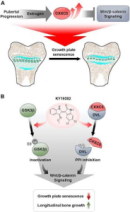
A small-molecule dual inhibitor that blocks CXXC5 (a protein that speeds up growth plate senescence/aging, which stops you from growing taller) from binding to dishevelled, while also inhibiting GSK3β.
This strongly activates the Wnt/β-catenin pathway inside growth-plate cartilage cells, delaying senescence, boosting chondrocyte proliferation, and keeping the growth plates active longer so bones can keep lengthening
“A functionally improved indirubin derivative, KY19382, elongated tibial length through delayed senescence and further activation of the growth plate in adolescent mice.”
“Our results showed that KY19382 effectively increased the longitudinal growth of tibiae by delaying growth plate senescence through the accompanying promotion of chondrocyte proliferation and differentiation.”
Hope you enjoyed this thread, alot of it is slightly changed from heightmaxxing 202 on .gg with 1x new addition, Other then dropping some new height info soon
So for those who dont know, what is HGH?
Human Growth Hormone (HGH) is a peptide hormone consisting of a 191-amino-acid chain. It is synthesized and secreted by somatotroph cells in the anterior pituitary gland. Its primary functions include stimulating physical growth, cellular reproduction, protein synthesis, and lipid metabolism.
I could speak about endogenous production but it doesnt really matter as all injected GH is exgogenous
Understanding how exogenous human growth hormone impacts the body requires looking at how synthetic hormones disrupt our natural endocrine balance. When you introduce external HGH into the bloodstream, it mimics natural growth hormone and prompts the liver to ramp up production of IGF-1. The hypothalamus quickly detects this sudden surplus of both circulating HGH and IGF-1, which triggers a powerful self regulating negative feedback loop. To protect itself from an overdose, the brain increases the secretion of somatostatin to inhibit growth hormone while simultaneously shutting down the production of growth hormone releasing hormone. Because there is no GHRH available to bind to the receptors on somatotroph cells, the intracellular cAMP pathway stays completely dormant. As a result, the anterior pituitary gland stops synthesizing and releasing its own stored HGH, overriding the body's natural pulsatile rhythm and ultimately causing a complete shutdown of endogenous hormone production.
How does this make you taller?
GH binds to receptors on chondrocytes in the growth plate. Hgh will also induce the localized production of IGF-1 in the growth plate whic will effectively enhance cellular, tissue, and chondrocyte proliferation and hypertrophy, and eventually the ossification of the new cartilage tissue formed, this process lasts all your childhood and adolescence till 16-18, this stop at around this age because of estrogen drive epiphyseal fusion occurs which occurs in late adolescence (around 16-18 and in rare cases 21).
Which is why GH synergies so well with an AI
Human Growth Hormone (HGH) is a peptide hormone consisting of a 191-amino-acid chain. It is synthesized and secreted by somatotroph cells in the anterior pituitary gland. Its primary functions include stimulating physical growth, cellular reproduction, protein synthesis, and lipid metabolism.
I could speak about endogenous production but it doesnt really matter as all injected GH is exgogenous
Understanding how exogenous human growth hormone impacts the body requires looking at how synthetic hormones disrupt our natural endocrine balance. When you introduce external HGH into the bloodstream, it mimics natural growth hormone and prompts the liver to ramp up production of IGF-1. The hypothalamus quickly detects this sudden surplus of both circulating HGH and IGF-1, which triggers a powerful self regulating negative feedback loop. To protect itself from an overdose, the brain increases the secretion of somatostatin to inhibit growth hormone while simultaneously shutting down the production of growth hormone releasing hormone. Because there is no GHRH available to bind to the receptors on somatotroph cells, the intracellular cAMP pathway stays completely dormant. As a result, the anterior pituitary gland stops synthesizing and releasing its own stored HGH, overriding the body's natural pulsatile rhythm and ultimately causing a complete shutdown of endogenous hormone production.
How does this make you taller?
GH binds to receptors on chondrocytes in the growth plate. Hgh will also induce the localized production of IGF-1 in the growth plate whic will effectively enhance cellular, tissue, and chondrocyte proliferation and hypertrophy, and eventually the ossification of the new cartilage tissue formed, this process lasts all your childhood and adolescence till 16-18, this stop at around this age because of estrogen drive epiphyseal fusion occurs which occurs in late adolescence (around 16-18 and in rare cases 21).
Which is why GH synergies so well with an AI
Onto our next topic, Aromatase inhibitors or AI for short.
The aromatase enzyme's main job is to convert androgens (test, deca or whatever) through a process known as aromatization to types of estrogens (estradiol, estrone). This is the main driver of growth plate closure.
Types of aromatase inhibitors
Letrozole: Im sure you've heard of it, it is the most popular letrozole is a Type 2, reversable, suicidal aromatase inhibitor, it is incredibly potent and inhibits 98-99% of circulating e2 at a dosage of 2.5mg
Pros: High e2 supression and slows bone maturation more then any other, increases natural test levels.
Cons: Lowers circulating IGF-1, Non suicidal, potential weaker bone mineral density, joint pain, e2 rebound if not careful
Anastrozole: A reversal non suicidal inhibitor and inhibits e2 at around 80-90% at a dosage of 1mg
Pro: Main pro is that it wil be easier on the body due to a lighter supression,
Cons: The same as letro pretty much (keeps igf-1 intact however) , e2 rebound if not careful
Aromasin: Type 1 suicidal inhibitor. Instead of reversibly blocking the aromatase enzyme, aromasin binds permanently to it, rendering the enzyme inactive for the rest of its lifespan which is also known as suicidal inhibition. Supresses e2 roughly 35-62% at a 25mg dose
Pros: No e2 rebound, little to no impact on igf-1, raises both free and total test
Cons: Pretty much the same nonetheless, joint pain and bone mineral density depletion also low supression of e2
The aromatase enzyme's main job is to convert androgens (test, deca or whatever) through a process known as aromatization to types of estrogens (estradiol, estrone). This is the main driver of growth plate closure.
Types of aromatase inhibitors
Letrozole: Im sure you've heard of it, it is the most popular letrozole is a Type 2, reversable, suicidal aromatase inhibitor, it is incredibly potent and inhibits 98-99% of circulating e2 at a dosage of 2.5mg
Pros: High e2 supression and slows bone maturation more then any other, increases natural test levels.
Cons: Lowers circulating IGF-1, Non suicidal, potential weaker bone mineral density, joint pain, e2 rebound if not careful
Anastrozole: A reversal non suicidal inhibitor and inhibits e2 at around 80-90% at a dosage of 1mg
Pro: Main pro is that it wil be easier on the body due to a lighter supression,
Cons: The same as letro pretty much (keeps igf-1 intact however) , e2 rebound if not careful
Aromasin: Type 1 suicidal inhibitor. Instead of reversibly blocking the aromatase enzyme, aromasin binds permanently to it, rendering the enzyme inactive for the rest of its lifespan which is also known as suicidal inhibition. Supresses e2 roughly 35-62% at a 25mg dose
Pros: No e2 rebound, little to no impact on igf-1, raises both free and total test
Cons: Pretty much the same nonetheless, joint pain and bone mineral density depletion also low supression of e2
FGFR3 inhibitors are drugs that block the Fibroblast Growth Factor Receptor 3 protein FGFR3 normally acts like a brake on bone growth in the growth plates (the cartilage areas at the ends of long bones that allow you to get taller during childhood and adolescence). By inhibiting FGFR3, these drugs reduce that braking effect, allowing chondrocytes to proliferate and mature more freely. This leads to increased linear bone growth and greater height velocity especially in conditions like achondroplasia where the receptor is overactive due to a genetic mutation.
Types of FGFR3 inhibitors
•Infigratinib
•Erdafitinib
•Tyra-300
Infigratinib
Orally bioavailable, FGFR1-3 selective ATP-competitive TKI. It binds the ATP pocket of FGFR1, FGFR2, and FGFR3 (with much weaker activity on FGFR4 and VEGFR2). This dual inhibition hits both MAPK (hypertrophy) and STAT1 (proliferation) pathways downstream of FGFR3.
TLDR: Once daily oral infigratinib (0.25 mg/kg) gave +1.74 cm/year (LS mean) or +2.10 cm/year extra annualized height velocity (AHV) vs placebo at 52 weeks. Absolute AHV reached 5.96 cm/year (highest reported in any ACH randomized trial). First drug to show statistically significant improvement in upper-to-lower body proportionality. Well tolerated; no FGFR1/2-related AEs or serious treatment-related events.
Erdafitinib
Oral pan-FGFR (FGFR1-4) TKI. First FDA-approved pan-FGFR inhibitor (2019, for FGFR-altered urothelial cancer). Most potent against FGFR1, followed by FGFR3 > FGFR4 > FGFR2. Less selective than the others, so more off-target potential. (Not the best)
TLDR: Pre-pubescent child with FGFR1-mutated glioma on erdafitinib showed rapid long-bone overgrowth, kyphoscoliosis, and spinal deformities within months grew over 16cm
Another 14 year olds height velocity went from 2cm to 10cm.
TYRA-300
Oral, highly isoform-selective FGFR3 TKI (first-in-class FGFR3-selective). Designed with TYRA’s SNÅP platform to potently hit FGFR3 while sparing FGFR1/2/4 to minimize off-target toxicity. Once daily small molecule.
wild-type mice + two FGFR3-driven models (ACH and hypochondroplasia), TYRA-300 significantly increased long-bone length (femur +3.7–5%, tibia +3.75–6%, etc.), nasoanal length, foramen magnum size, and improved skeletal proportionality and bone quality. First clear data showing FGFR3-selective inhibition works even in normal genetics. (Huge)
Biggest Con With Each Inhibitor:
Infigratinib:
• hyperphosphatemia
Erdafitinib:
•Rapid overgrowth (if retarded), Slipped capital femoral epiphysis and growth plate changes + premature fusion, blindness
Tyra-300:
•Unknown, as there is not enough studies+ pricing + sourcing
What is CXXC5?
Acts as a negative regulator of human height by accelerating growth plate senescence and limiting longitudinal bone growth. It functions as a feedback inhibitor of the Wnt/β-catenin signaling pathway, which is paramount for maintaining chondrocyte proliferation and delaying senescence in the epiphyseal growth plates.
Induced by Wnt signaling itself and by estrogen (via estrogen receptor alpha), CXXC5 interacts with Dishevelled (DVL) to suppress β-catenin activity, thereby reducing chondrocyte proliferation, hypertrophy, and overall bone elongation.
In mouse models, CXXC5 knockout results in delayed growth plate senescence, increased tibial length, expanded proliferative and hypertrophic zones, and higher bone mass due to enhanced Wnt signaling. Pharmacological disruption of the CXXC5–DVL interaction has been shown to promote bone growth in preclinical studies, suggesting potential therapeutic applications for short stature caused by premature growth plate closure
KY19382
A small-molecule dual inhibitor that blocks CXXC5 (a protein that speeds up growth plate senescence/aging, which stops you from growing taller) from binding to dishevelled, while also inhibiting GSK3β.
This strongly activates the Wnt/β-catenin pathway inside growth-plate cartilage cells, delaying senescence, boosting chondrocyte proliferation, and keeping the growth plates active longer so bones can keep lengthening
“A functionally improved indirubin derivative, KY19382, elongated tibial length through delayed senescence and further activation of the growth plate in adolescent mice.”
“Our results showed that KY19382 effectively increased the longitudinal growth of tibiae by delaying growth plate senescence through the accompanying promotion of chondrocyte proliferation and differentiation.”
Small drug like molecules that directly switch on the Smoothened (SMO) receptor in the Hedgehog (Hh/Ihh/Shh) signaling pathway.
In the growth plates of growing bones, they completely bypass the normal control step where the Ihh signal inhibits Patched. This instantly activates Gli transcription factors.
The Result:
more epiphyseal skeletal stem cells (epSSCs) multiply in the resting zone, cartilage cells (chondrocytes) grow faster and form bigger clusters, a special environment is created that blocks Wnt signals to keep stem cells active, and the process of turning cartilage into bone speeds up.
Overall, this makes the growth plates thicker and leads to greater longitudinal bone lengthening
TL;DR
Systemic SAG21k (5 mg/kg/day IP for 7 days) in a mouse bone-defect model strongly enhanced early chondrogenesis via SHH pathway activation, creating more cartilage template that later ossified into greater bone
:ALERTA:Cons::Alarm:
•Most likely cancer causing due to hedgehog pathway overactivation
•Price
•Sourcing
•You need a special delivery method for it (Special ROA)
However, if you can source, afford and use it strategically so you dont get cancer, one of the greatest heightmaxx compounds
In the growth plates of growing bones, they completely bypass the normal control step where the Ihh signal inhibits Patched. This instantly activates Gli transcription factors.
The Result:
more epiphyseal skeletal stem cells (epSSCs) multiply in the resting zone, cartilage cells (chondrocytes) grow faster and form bigger clusters, a special environment is created that blocks Wnt signals to keep stem cells active, and the process of turning cartilage into bone speeds up.
Overall, this makes the growth plates thicker and leads to greater longitudinal bone lengthening
TL;DR
Systemic SAG21k (5 mg/kg/day IP for 7 days) in a mouse bone-defect model strongly enhanced early chondrogenesis via SHH pathway activation, creating more cartilage template that later ossified into greater bone
:ALERTA:Cons::Alarm:
•Most likely cancer causing due to hedgehog pathway overactivation
•Price
•Sourcing
•You need a special delivery method for it (Special ROA)
However, if you can source, afford and use it strategically so you dont get cancer, one of the greatest heightmaxx compounds
What is CNP
CNP is a natural peptide hormone produced locally right inside your growth plates by chondrocytes (the cartilage cells that turn into bone CNP’s job is promoting endochondral bone growth (the exact process that makes your long bones femurs, tibias, etc longer during childhood/adolescence.)
CNP binds to its receptor NPR-B on chondrocytes, this ramps up intracellular cGMP (a signaling molecule).
cGMP then inhibits the MAPK/ERK pathway
Chondrocytes proliferate more, mature faster (hypertrophy), and produce more bone matrix and longer bones and increased height velocity.
Vosoritide
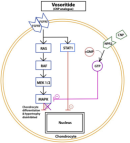
Vosoritide is a lab-made, longer lasting analog of CNP (39-amino-acid version engineered to resist quick breakdown). It’s given as a daily subcutaneous injection and is the first (and currently only) approved drug that directly harnesses this pathway for ACH. Vosoritide mimics CNP, binds NPR-B, raises cGMP, and counteracts FGFR3 signaling downstream (without touching the FGFR3 receptor itself meaning it is indirect).
Very expensive and no studies on ISS
CNP is a natural peptide hormone produced locally right inside your growth plates by chondrocytes (the cartilage cells that turn into bone CNP’s job is promoting endochondral bone growth (the exact process that makes your long bones femurs, tibias, etc longer during childhood/adolescence.)
CNP binds to its receptor NPR-B on chondrocytes, this ramps up intracellular cGMP (a signaling molecule).
cGMP then inhibits the MAPK/ERK pathway
Chondrocytes proliferate more, mature faster (hypertrophy), and produce more bone matrix and longer bones and increased height velocity.
Vosoritide
Vosoritide is a lab-made, longer lasting analog of CNP (39-amino-acid version engineered to resist quick breakdown). It’s given as a daily subcutaneous injection and is the first (and currently only) approved drug that directly harnesses this pathway for ACH. Vosoritide mimics CNP, binds NPR-B, raises cGMP, and counteracts FGFR3 signaling downstream (without touching the FGFR3 receptor itself meaning it is indirect).
Very expensive and no studies on ISS
Foxo4-DRI
How could it be used for height?
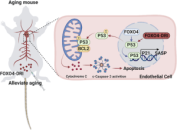
Growth plates naturally stop working (and height growth ends) because chondrocytes progressively enter senescence: they stop proliferating, secrete harmful inflammatory signals (the senescence-associated secretory phenotype, or SASP), and create a toxic microenvironment that further slows nearby healthy cells. This depletes the pool of resting-zone stem cells (epSSCs), shrinks the proliferative zone, reduces hypertrophic chondrocyte activity, and eventually leads to growth-plate thinning and fusion. Senescence is the main “programmed brake” on adult height.
FOXO4-DRI is designed to exploit a vulnerability unique to senescent cells: it disrupts the protective binding between FOXO4 and p53. In senescent chondrocytes (which rely heavily on this interaction to survive), this causes p53 to exit the nucleus, move to mitochondria, and trigger apoptosis (programmed cell death)
In Short
It would remove the accumulated senescent chondrocytes that are secreting SASP factors (IL-6, MMPs, etc.). Reduce inflammation and paracrine inhibition in the growth plate
Delay the overall “cell-counting” timer of senescence and postpone growth plate closure.
And allows epiphyseal skeletal stem cells and proliferative chondrocytes to expand, form longer columns, and maintain active endochondral ossification
How could it be used for height?
Growth plates naturally stop working (and height growth ends) because chondrocytes progressively enter senescence: they stop proliferating, secrete harmful inflammatory signals (the senescence-associated secretory phenotype, or SASP), and create a toxic microenvironment that further slows nearby healthy cells. This depletes the pool of resting-zone stem cells (epSSCs), shrinks the proliferative zone, reduces hypertrophic chondrocyte activity, and eventually leads to growth-plate thinning and fusion. Senescence is the main “programmed brake” on adult height.
FOXO4-DRI is designed to exploit a vulnerability unique to senescent cells: it disrupts the protective binding between FOXO4 and p53. In senescent chondrocytes (which rely heavily on this interaction to survive), this causes p53 to exit the nucleus, move to mitochondria, and trigger apoptosis (programmed cell death)
In Short
It would remove the accumulated senescent chondrocytes that are secreting SASP factors (IL-6, MMPs, etc.). Reduce inflammation and paracrine inhibition in the growth plate
Delay the overall “cell-counting” timer of senescence and postpone growth plate closure.
And allows epiphyseal skeletal stem cells and proliferative chondrocytes to expand, form longer columns, and maintain active endochondral ossification
Selective estrogen receptor modulator (SERM), a drug that binds to estrogen receptors (mainly ERα and ERβ) and can act as either an estrogen blocker (antagonist) or estrogen mimic (agonist) depending on the tissue. It is FDA-approved primarily for treating and preventing estrogen receptor-positive breast cancer in adults, and it is also used off label for conditions like gynecomastia
How Tamoxifen Works
Tamoxifen competes directly with estradiol (E2) for binding to estrogen receptors in target cells
In growth-plate chondrocytes (cartilage cells responsible for bone lengthening), it can exert anti-estrogenic effects by inhibiting specific downstream signaling pathways triggered by E2, such as protein kinase C (PKC). This modulates chondrocyte differentiation and profileration
7 short pubertal boys (average age ~15) treated with tamoxifen (twice daily for 6 months–4 years; some also on GH). Tamoxifen significantly slowed skeletal maturation and increased predicted adult height by 4 inches (from ~5'6" to ~5'10") with no negative effects on sexual maturation or puberty progression
However authors called for larger prospective studies to confirm if this translates to actual final height gain
As for cons does have quite the hit on serum IGF-1 so i would advise running it with GH.
How Tamoxifen Works
Tamoxifen competes directly with estradiol (E2) for binding to estrogen receptors in target cells
In growth-plate chondrocytes (cartilage cells responsible for bone lengthening), it can exert anti-estrogenic effects by inhibiting specific downstream signaling pathways triggered by E2, such as protein kinase C (PKC). This modulates chondrocyte differentiation and profileration
7 short pubertal boys (average age ~15) treated with tamoxifen (twice daily for 6 months–4 years; some also on GH). Tamoxifen significantly slowed skeletal maturation and increased predicted adult height by 4 inches (from ~5'6" to ~5'10") with no negative effects on sexual maturation or puberty progression
However authors called for larger prospective studies to confirm if this translates to actual final height gain
As for cons does have quite the hit on serum IGF-1 so i would advise running it with GH.
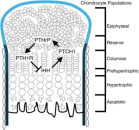
Synthetic peptides that mimic parathyroid hormone-related protein (PTHrP), a key local regulator of the growth plate. The main clinically available ones are abaloparatide (Tymlos; a modified PTHrP(1-34) analogue) and teriparatide (Forteo; recombinant human PTH(1-34)). Both bind and activate the same receptor (PTH1R) that native PTHrP uses in chondrocytes, but they are given as daily subcutaneous injections.
In the epiphyseal growth plate, PTHrP is produced locally by resting-zone chondrocytes (including skeletal stem cells). It acts via PTH1R to Keep chondrocytes in the proliferative state, delay their maturation into hypertrophic cells and maintain the Ihh–PTHrP feedback loop that controls the pace of endochondral ossification
Intermittent (once-daily) dosing of PTHrP/PTH analogues mimics this natural signaling in a pulsed way that strongly stimulates bone formation meaning these compounds would:
•Expand the proliferative and hypertrophic zones
Increase chondrocyte columns and cartilage thickness
•Prolong active growth before senescence/closure
In short increasing height
Abalo and Teri Comparison:
Abalo pros:
•Designed to copy PTHrP’s natural growth-plate role more closely
•Potentially cleaner anabolic effect with less unwanted resorption or calcium spikes
•Rat data suggest stronger stimulation of cartilage thickness and site-specific bone lengthening
Abalo cons:
•Far less real-world pediatric data
osteosarcoma risk as seen in high dose rat studies
Teri pros:
•Decades more safety/efficacy data in humans
Proven to stimulate longitudinal growth in animal models
Teri cons:
•more resorption and higher hypercalcemia risk
Less selective
In conclusion abalo would be the better choice here however it has alot less research so, its down to preference.
In the epiphyseal growth plate, PTHrP is produced locally by resting-zone chondrocytes (including skeletal stem cells). It acts via PTH1R to Keep chondrocytes in the proliferative state, delay their maturation into hypertrophic cells and maintain the Ihh–PTHrP feedback loop that controls the pace of endochondral ossification
Intermittent (once-daily) dosing of PTHrP/PTH analogues mimics this natural signaling in a pulsed way that strongly stimulates bone formation meaning these compounds would:
•Expand the proliferative and hypertrophic zones
Increase chondrocyte columns and cartilage thickness
•Prolong active growth before senescence/closure
In short increasing height
Abalo and Teri Comparison:
Abalo pros:
•Designed to copy PTHrP’s natural growth-plate role more closely
•Potentially cleaner anabolic effect with less unwanted resorption or calcium spikes
•Rat data suggest stronger stimulation of cartilage thickness and site-specific bone lengthening
Abalo cons:
•Far less real-world pediatric data
osteosarcoma risk as seen in high dose rat studies
Teri pros:
•Decades more safety/efficacy data in humans
Proven to stimulate longitudinal growth in animal models
Teri cons:
•more resorption and higher hypercalcemia risk
Less selective
In conclusion abalo would be the better choice here however it has alot less research so, its down to preference.
Its a long topic but exogenous GH creates hepatic IGF-1 wheras GHRPS/GHS will cause the anterior pituatity to release more endogenous GH causing an indirect upregulation of paracrine IGF-1 which is alot more ideal for height.
CE123 is a l, atypical dopamine transporter (DAT) inhibitor. It was synthesised as a highly selective analogue of Modafinil a wakefulness-promoting drug used for narcolepsy. It blocks the dopamine transporter, preventing the reuptake of dopamine in the synaptic cleft. This increases extracellular dopamine concentrations in specific brain regions like the prefrontal cortex
"significantly increased growth plate thickness in healthy rats, primarly through an expansion of the resting and profilerative zone"
"we observed significantly longer femoral and tibia bones in rats treated with CE123"
"significantly increased growth plate thickness in healthy rats, primarly through an expansion of the resting and profilerative zone"
"we observed significantly longer femoral and tibia bones in rats treated with CE123"
Hope you enjoyed this thread, alot of it is slightly changed from heightmaxxing 202 on .gg with 1x new addition, Other then dropping some new height info soon